9.07-carat diamond found at Arkansas park jewellerybusiness.com

Category Added in a WPeMatico Campaign

White Gold is one of the most popular choices of metals when it comes to Engagement Rings, the other being Platinium. However, only a few people know what White Gold actually is or moreso the process Gold goes through to look white in color. The purpose of this write up is to give you […]
The post What is White Gold? appeared first on PriceScope.

Push presents are just one of many beloved milestone markers for PriceScopers. This push present, an engagement ring upgrade posted by PS Member, Linnie in the Show Me the Bling! forum is the Jewel of the Week! Celebrating their 5th anniversary, they considered upgrading a few months ago. The current COVID-19 global […]
The post Push Present: Engagement Ring Upgrade appeared first on PriceScope.

We have always loved an upgrade and always will. PS Member, Cachette posted her 20th Anniversary upgrade in the Show Me the Bling! forum. We pulled this ring out the archives and it is our Throwback Thursday. I encourage you to take the opportunity to revisit this thread as well. PS Member, Cachette […]
The post 20th Anniversary Upgrade appeared first on PriceScope.

Attention September babies – now is your time to shine in sapphires – which are luckily on sale at Lauren B! Sapphires are not only known as the birthstone for September, they also symbolize virtue, good fortune and wisdom: therefore they are certainly suited for all! Step into fall with some sapphires. Here are a few of our favorite pieces on sale now!


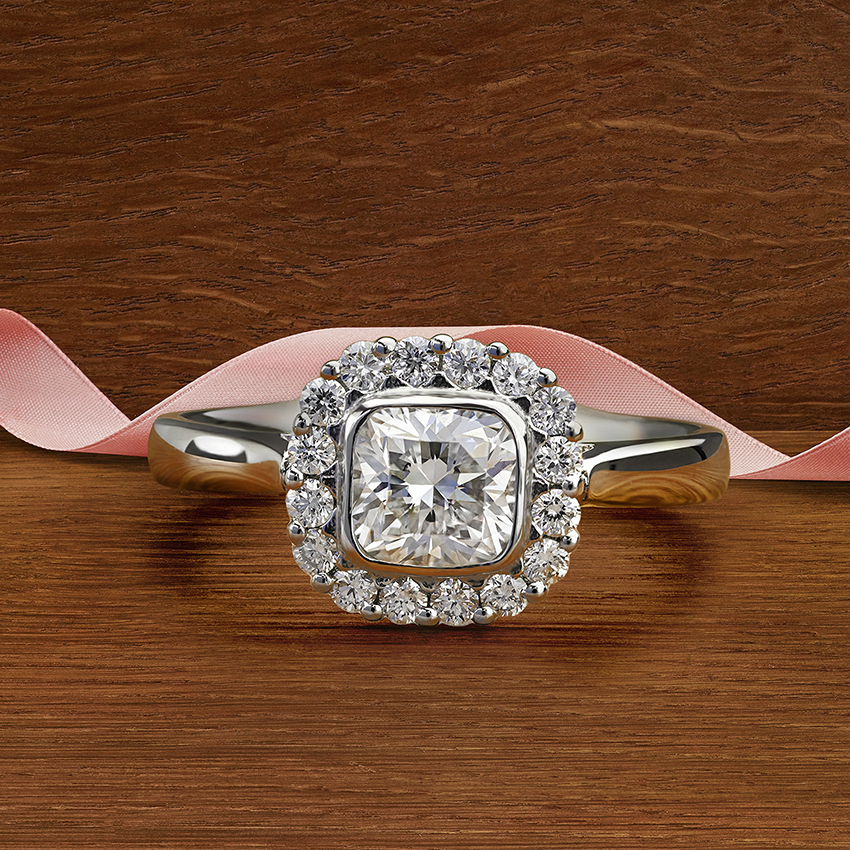
As jewellers, we often use terms that buyers struggle to understand. For this reason, we decided to offer a little help on the parts of an engagement ring.
Despite all of the different ring styles available, most diamond rings have the same parts. Helpful jewellers assist buyers by explaining the differences. At the same time, most jewellers show examples from their own showroom to explain in more detail.
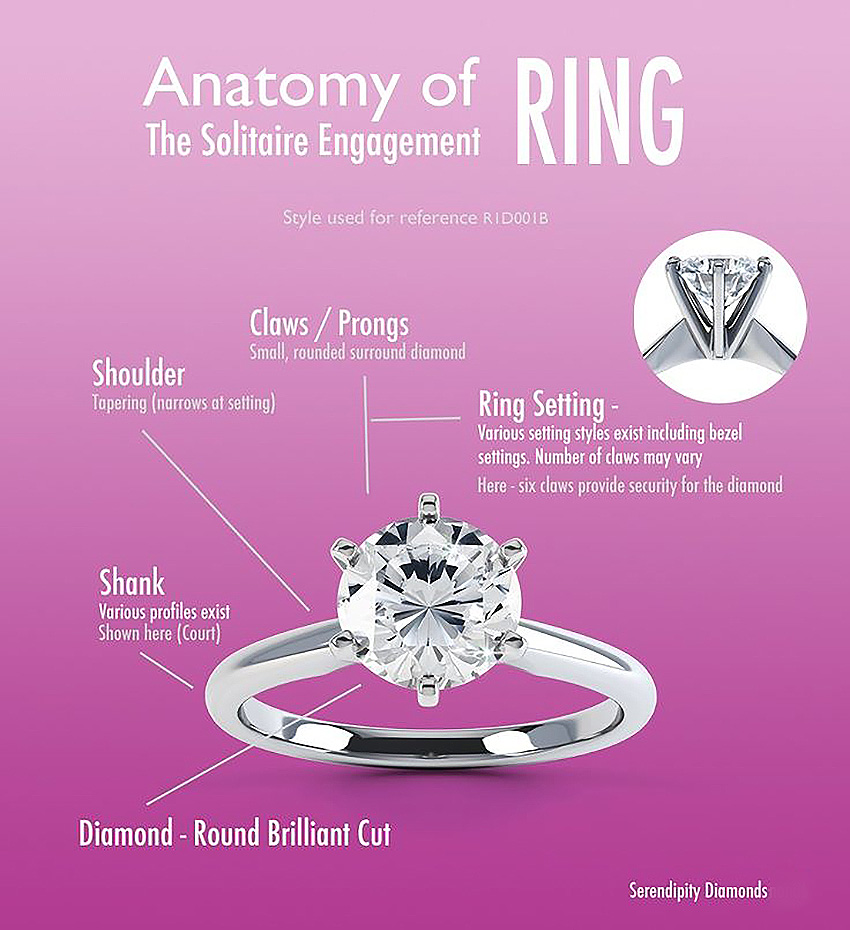
Parts of an engagement ring – basic anatomy of a solitaire ring
Keeping things simple, there are three main parts to an engagement ring: The shank, shoulders and setting.
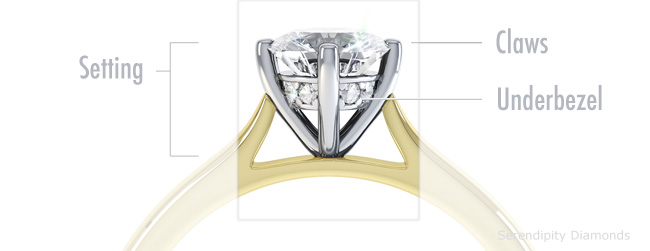
The setting of a diamond engagement ring holds the diamond, or diamonds in place. When it comes to a diamond ring, most of the cost goes into the diamond. This is especially true when it comes to solitaire engagement rings over half a carat in weight.
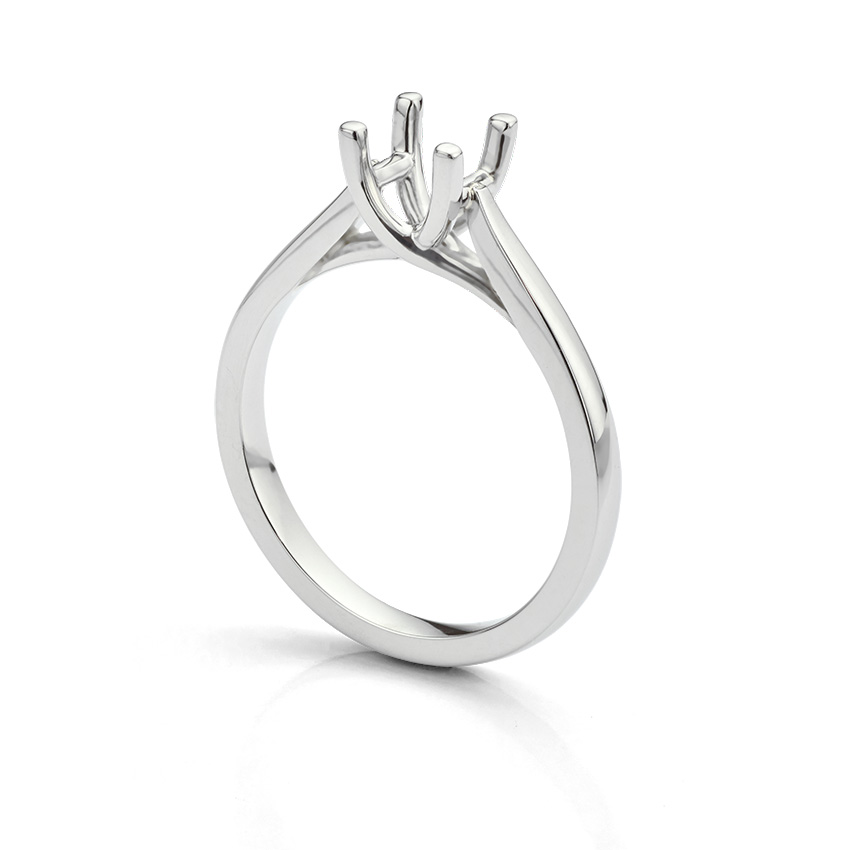
Some buyers source their own diamond or gemstone, opting to buy only a mount or setting from a jeweller.
Engagement ring settings vary greatly in style. The most popular, classic designs take inspiration from the designs of Tiffany engagement rings. World-famous jeweller Tiffany & Co. created the iconic Tiffany setting which remains popular today.
Jewellers create ring settings to hold diamonds or coloured gemstones. Different setting styles create differing looks. As a result, designs accommodate alternative tastes. Furthermore, some are more practical than others. Here are just a few of the different setting styles available.
Claw settings hold gemstones within raised prongs. A setter cuts a small nick into the inner surface of each claw. The diamond rests on this ‘shelf’ – held in by the tension of the claws. We create 3 claw settings, 4 claw settings and 6 claw settings. In fact, some are straight, whilst other settings feature a distinctive swirl or twist.

Adeline 4 claw engagement ring
Tension settings make a popular choice for a minimal setting style. Their popularity arises from their uncluttered and simple appearance. This type of setting holds the diamond under great tension within the setting. For example, the Unity engagement ring features minimal tension setting with a brilliant-cut diamond.

Tension set engagement ring Unity design
Bezel settings feature in two styles. Full bezel settings and part-bezel settings. Both surround the diamond with an edge of metal. Furthermore, this edge of metal follows the outline of the diamond or gemstone.

The rosebud engagement ring featuring a bezel setting

The shoulders of an engagement ring join the shank to the setting. In fact, shoulders flow seamlessly from the shank to the setting. Most vary in shape by comparison to the band. To explain, here are some classic shoulder styles.
Tapered shoulders feature a gradual narrowing of band width. In fact, tapering shoulders help to maximise the appearance of the setting. For example, a small diamond appears larger next to narrow shoulders.

Parallel or straight shoulders give a modern look to an engagement ring. They appear identical to the style and width of the entire band.

Bespoke Aquamarine ring with straight shoulders
Split or forked shoulders divide below the ring setting. Comparable to a snake’s tongue, they fork and join to the setting as if held within thumb and finger.

Engagement rings with diamond shoulders make a popular choice. Interestingly, some rings include diamonds and gemstones set into each side of the band.
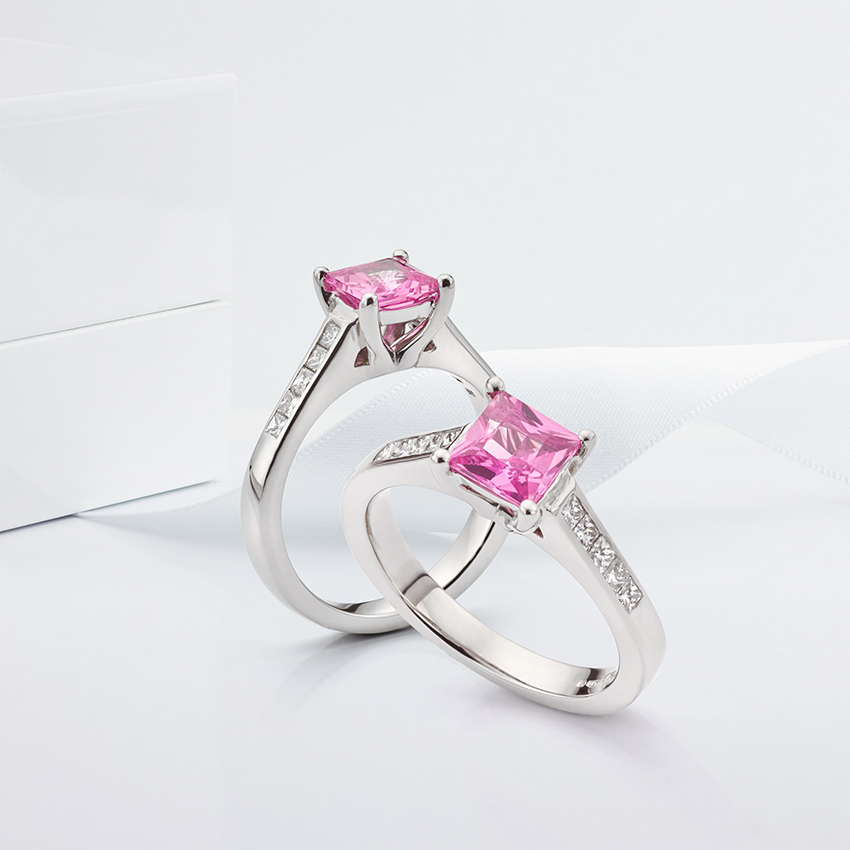
Pink Fliss engagement ring set with a pink Sapphire and diamond shoulders
Interwoven shoulders add beauty to any ring design. Plain, or diamond set, two strands overlap in a roped or plaited effect. Many of our rings come from or bespoke design service. An example appears in our video below.
Interwoven diamond shoulder ring, created through our bespoke design service.
Tapering diamond shoulders often include graduated sizes of diamonds. As a result, each diamond matches the width of the ring as it narrows towards the setting.

The band or shank of an engagement ring wraps around the engagement ring finger. In fact, most shanks have a specific cross-section. We call this the profile of the ring. Ring profiles include the following shapes.
Ring shanks vary in width. For example, most of our engagement rings measure 2.5mm in width.
Court. Sometimes called comfort-fit. Curved on the outer and inner surface.
D-shaped. Curved on the outer surface, flat inside.
Flat. Flat on the inside and outside surface.
In addition, the thickness, or depth of the band may vary. Most engagement rings feature 1.5mm deep bands. Thinner bands weaken with wear. Furthermore, they are less tolerant to resize work. As a result, they may snap, crack or bend out of shape after the ring has been resized. Moreover, narrow, shallow bands rarely last a lifetime.
The post Engagement Ring Settings, Shanks and Shoulders – Parts of Ring appeared first on Serendipity Diamonds Blog.

Botswana is currently the world’s second largest producer of diamonds. Some of the world’s largest diamonds have been found here. Diamonds help build Botswana’s infrastructure, support women and combat AIDS. Learn how else diamonds help Botswanans.
In this blog we’ll cover:
Diamonds at the Dawn of Independence
Debswana—a Groundbreaking Partnership
The Diamond Difference—Botswana Becomes a Middle-Income Country
Diamonds Help Combat AIDS
Ethical Diamonds
How to Get a Botswana Diamond
Botswana was ruled by the British Empire from 1885 to 1966. Thought to be a backwater with no natural resources, it was largely ignored by the British Empire. In 1966, it was one of the poorest countries in the world, with a per capita income of around US$ 80 a year. The discovery of diamond deposits changed that. In 1967, a mere year after Botswana’s independence, De Beers discovered an enormous diamond kimberlite pipe in Orapa, a remote region roughly 250 miles from the capital of Gaborone. This kimberlite pipe is the world’s second largest diamond-producing kimberlite pipe. Four years later, the Orapa diamond mine opened for production and became the world’s largest diamond mine by area. The timing of this discovery meant that this new resource could be used for the people of Botswana.
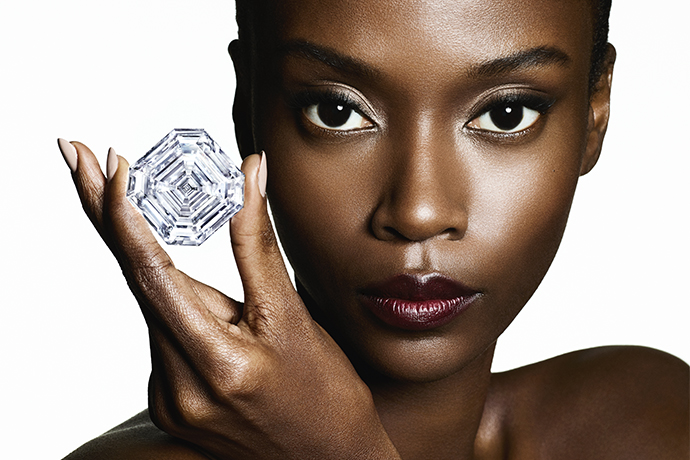
De Beers and Botswana quickly formed a 50-50 joint venture, becoming Debswana, a diamond powerhouse. Together, Debswana owns 4 mines—Orapa, Letlhakane, Jawaneng and Damtshaa—that produced 24% of the world’s diamonds by value in 2018, making it one of the world’s largest producer of diamonds. Debswana is also the second largest employer in the country after the government. Its Jwaneng mine, nicknamed the “Prince of Mines,” is the richest diamond mine in the world, producing the most diamonds by value and is a notable mine in diamond history. The Botswana government owns roughly 15% of De Beers, giving it an enormous say in how revenue from diamonds should be collected and used. Due to negotiation by the Botswanan government, a large portion of the income generated by Debswana goes toward government revenues, and this income helps build schools and roads and get water to homes and farms.
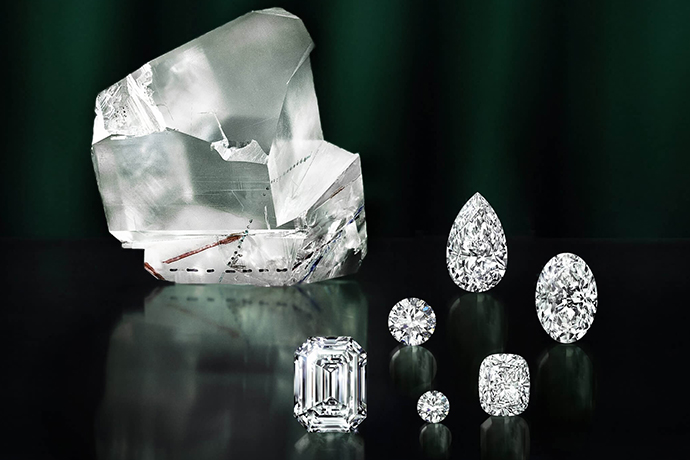
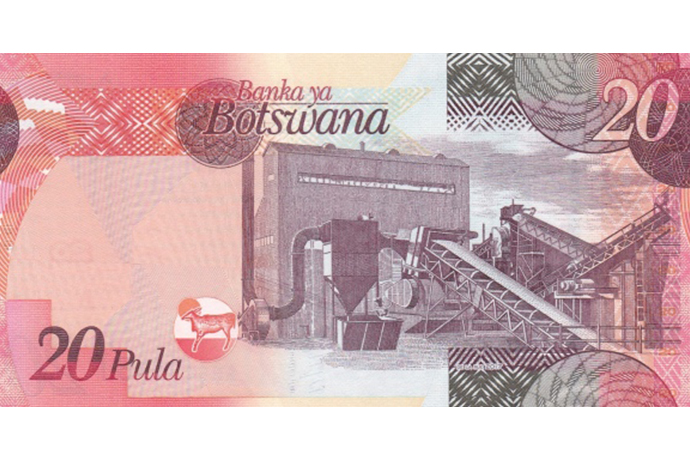
According to Festus Mogae, the third president of Botswana (1998-2008), “every diamond purchase represents food on the table, better living conditions, better healthcare, potable and safe drinking water, more roads to connect remote communities.” With the help of diamonds, Botswana quickly rose from being a low-income to a middle-income country. In 2019, diamonds made up roughly 60-85% of Botswana’s export earnings, 25% of its gross domestic product and one-third of government revenues. They have helped create jobs and helped build roads, hospitals and schools. Diamonds are so important to the country that the back of Botswana’s 20 pula banknote (BWP 20) shows the first diamond processing plant built in Orapa in the late 1960s.
As part of a sales agreement between De Beers and the Botswana government, De Beers agreed to relocate all of the sales and operations of its Diamond Trading Company International (DTCI) from London to the Botswanan capital of Gaborone by the end of 2013. In 2012, De Beers opened the Diamond Trading Company Botswana (DTCB) sorting center in Gaborone and in 2013, DTCI moved their rough sales events (“sights”), shifting billions of dollars of annual rough sales to Botswana. One of the largest and most technologically advanced diamond facilities in the world, the Gaborone facility is a joint venture with the Botswana government.
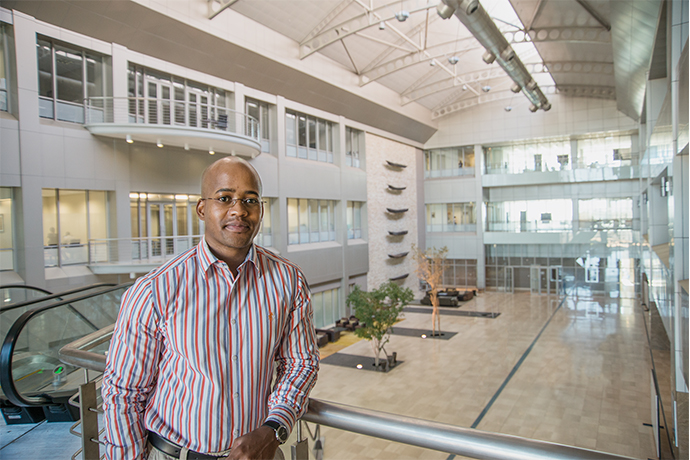
When the AIDS epidemic struck Botswana in the mid-1980s, much of the progress that Botswana had made over the years came undone as teachers, accountants and other professionals fell ill. President Festus Mogae then agreed to an unprecedented strategy for fighting the epidemic—using government funds to provide HIV/AIDS drugs for every infected citizen. It was the first country in Africa to do so.
Debswana also joined the fight against AIDS. It runs hospitals at the Orapa and Jwangeng mines in partnership with Botswana’s Ministry of Health. These hospitals serve not only miners but also the local community. In 2001, Debswana became the first company in the world to offer free testing and free anti-retroviral therapy to employees and their spouses. In 2008, this free treatment was extended to children. Efforts by Debswana has helped reduce the HIV-related death rate for Debswana workers from 31% in 1996 to less than 1% in 2016.
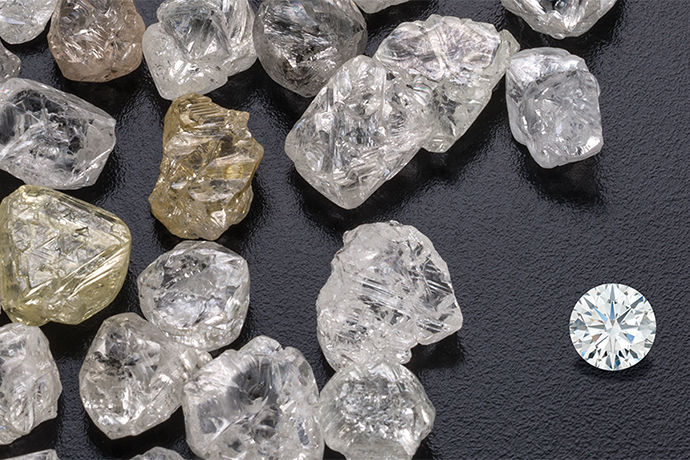
The hospitals, schools and other facilities that Debswana has built in mining areas are open to the public and not just Debswana employees. Moreover, the diamond industry offers Botswanans and black Africans in general more employment opportunities and leadership roles. Most of the executives in Debswana are Africans who have been trained by De Beers. As a result of DTCI’s relocation of their operations from London to Gaborone and the establishment of DTC Botswana, hundreds of workers are employed in state-of-the-art sorting and cutting facilities.
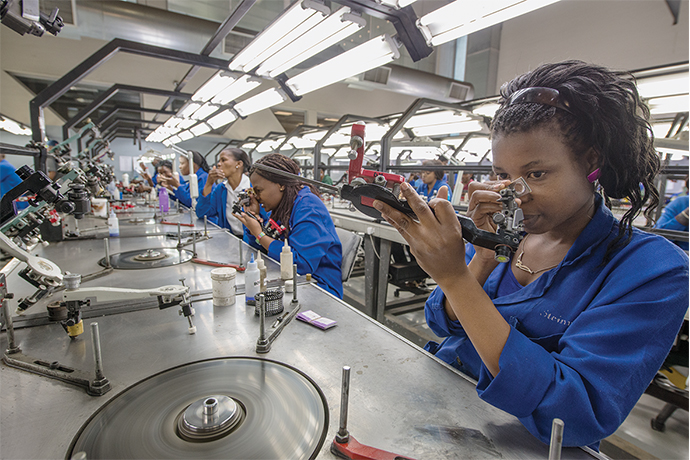
In addition, the De Beers Group has partnered with UN Women to promote gender parity in science, technology, engineering and mathematics (STEM) in diamond-producing countries. Part of this means making sure that a good number of women are appointed to senior leadership roles. In Botswana, the program also helps support women-owned micro-enterprises, so that women entrepreneurs can grow their businesses and supply jobs for their communities.

To help with conservation, De Beers has committed to dedicating six hectares (14.8 acres) of land to wildlife for every hectare of land that it uses for mining. As part of this commitment, it has established the Orapa Game Park, a 22,000 hectare conservation area, as well as Jwana Game Park, a 19,085 hectare conservation area that is home to more than 1,700 animals and contains a field unit for Cheetah Conservation. The De Beers Group is also active in rhino conservation efforts, including the breeding and relocation of rhinos. Debswana, especially, has worked towards increasing white rhino populations by breeding rhinos in captivity and releasing them back into the wild.
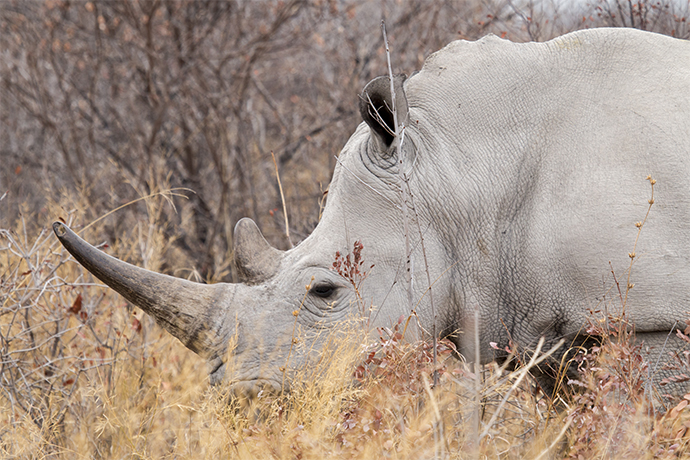

Botswana is known as one of the world’s largest sources of ethical diamonds, which makes diamonds from this country popular among consumers who are mindful of how their diamonds are produced. To help consumers know where their diamonds are from, GIA is collaborating with diamond mining companies in Botswana, Canada, Russia, South Africa and other countries to confirm the origin of diamonds from these places. The GIA Diamond Origin Report helps consumers wear their diamonds with peace-of-mind, knowing that their diamonds help support the people in the countries where they were mined. Ask your local retailer for a diamond with a GIA Diamond Origin Report.
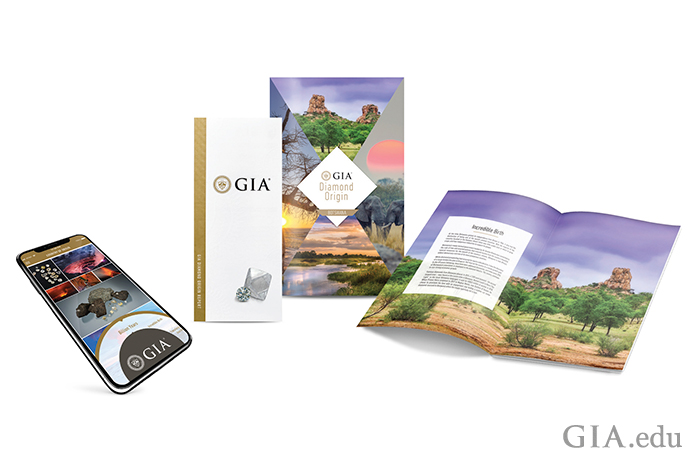
Overall, Debswana shows how a country and a diamond company can both benefit if they work together in a socially and environmentally responsible way. From independence to now, diamonds have helped support Botswana’s infrastructure. They also help the country reinvest in new industries so that one day, when diamond sources in Botswana dry up, the economy will still be able to prosper. All this helps to ensure that Botswana’s future is crystal clear.
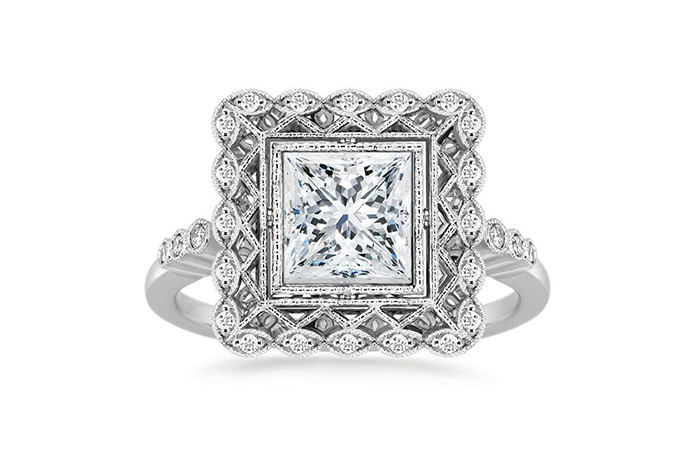
The post Where are Diamonds Found? Spotlight on Botswana Diamonds appeared first on GIA 4Cs.

Life is strange. We are attempting to navigate a new normal. Some of us are slowly coming out of hibernation with new sanitizing and social distancing rules in play. I’m one of those people. After battling severe, lockdown-induced eczema (thanks, anxiety!) I’ve slowly started venturing out, mask in hand to try and rejoin this […]
The post Horses for Courses: Polo Match Jewelry appeared first on PriceScope.